
Limited series • 2D animation
Young adult • Fantasy • 44 minutes

Overview
After he receives a prophetic vision of the world's destruction at his own hands, the fearsome warlord—skekGra, the Conqueror—must put his long and sordid past behind him, restore balance to the world of Thra…and find love while doing it!
Told in 9 episodes, Visions of Thra is a 2D animated miniseries that spins off of Jim Henson’s the Dark Crystal. The story takes the edge and humor of K-Pop Demon Hunters or Nimona and pairs it with the darkness of animations like the Secret of NIMH and Coraline.
This series combines puppetry with 2D animation to capture the haunting visuals that have made the Dark Crystal a classic. Taking place long before the events of the Age of Resistance, this series will focus primarily on the skeksis and examine their disturbing society from an insider’s viewpoint. But as fantastical as the setting is, the forces that drive the characters—social pressure, hierarchies, groupthink, and self-loathing—are familiar obstacles to young audiences today as they navigate our modern media landscape.
The story’s focal point is the redemption of skekGra and his relationship to the other half of his fractured soul, urGoh. They must overcome their revulsion and distrust towards one another to achieve their shared goal of protecting the world of Thra.
Thematically, it’s about rejecting social hierarchies, overcoming shame, and standing up for your convictions…no matter the cost. It’s got action! It’s got forbidden romance! It’s got puppets and…lots of Mongolian throat singing?
Format:
Limited Series:
Genre:
Run Time:
Audience:
Medium:
9 episodes
Fantasy
44 minute episodes
Young Adult (TV-14)
2D-Rigged Puppet Animation
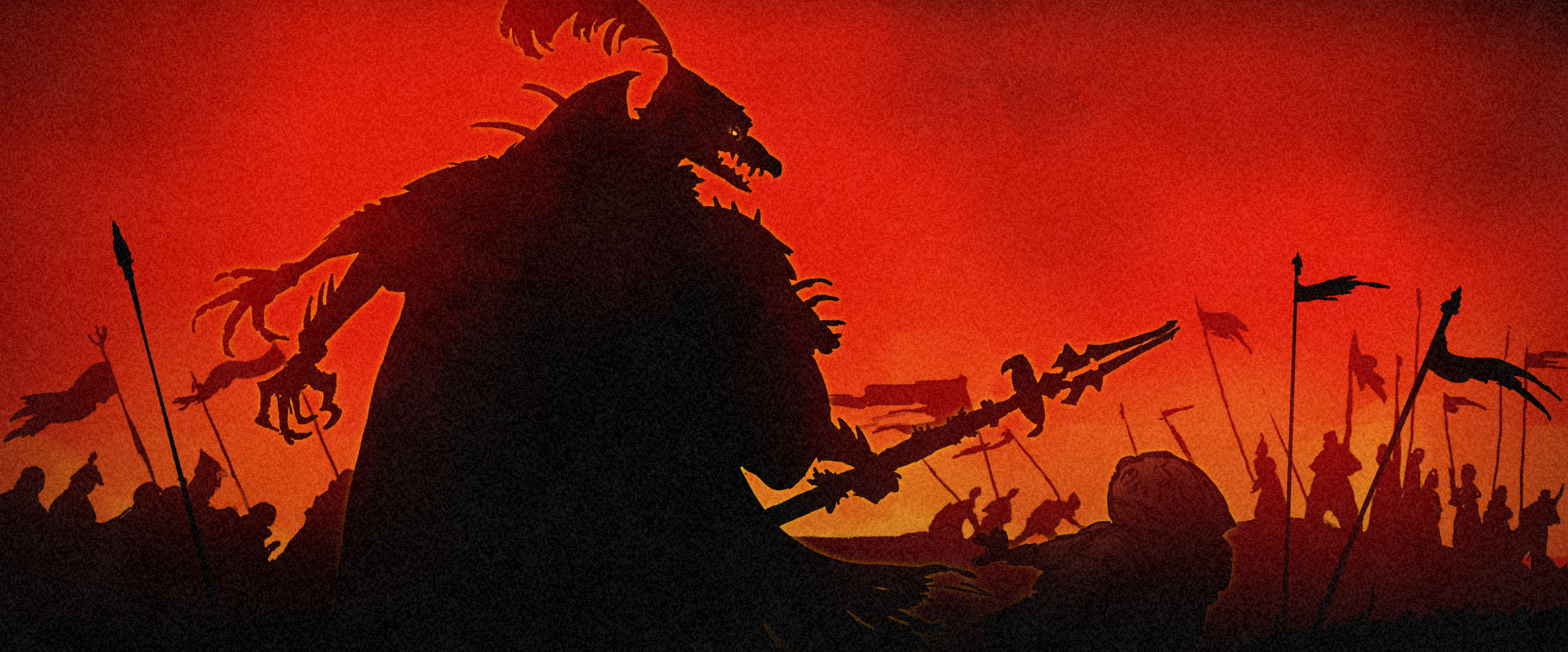
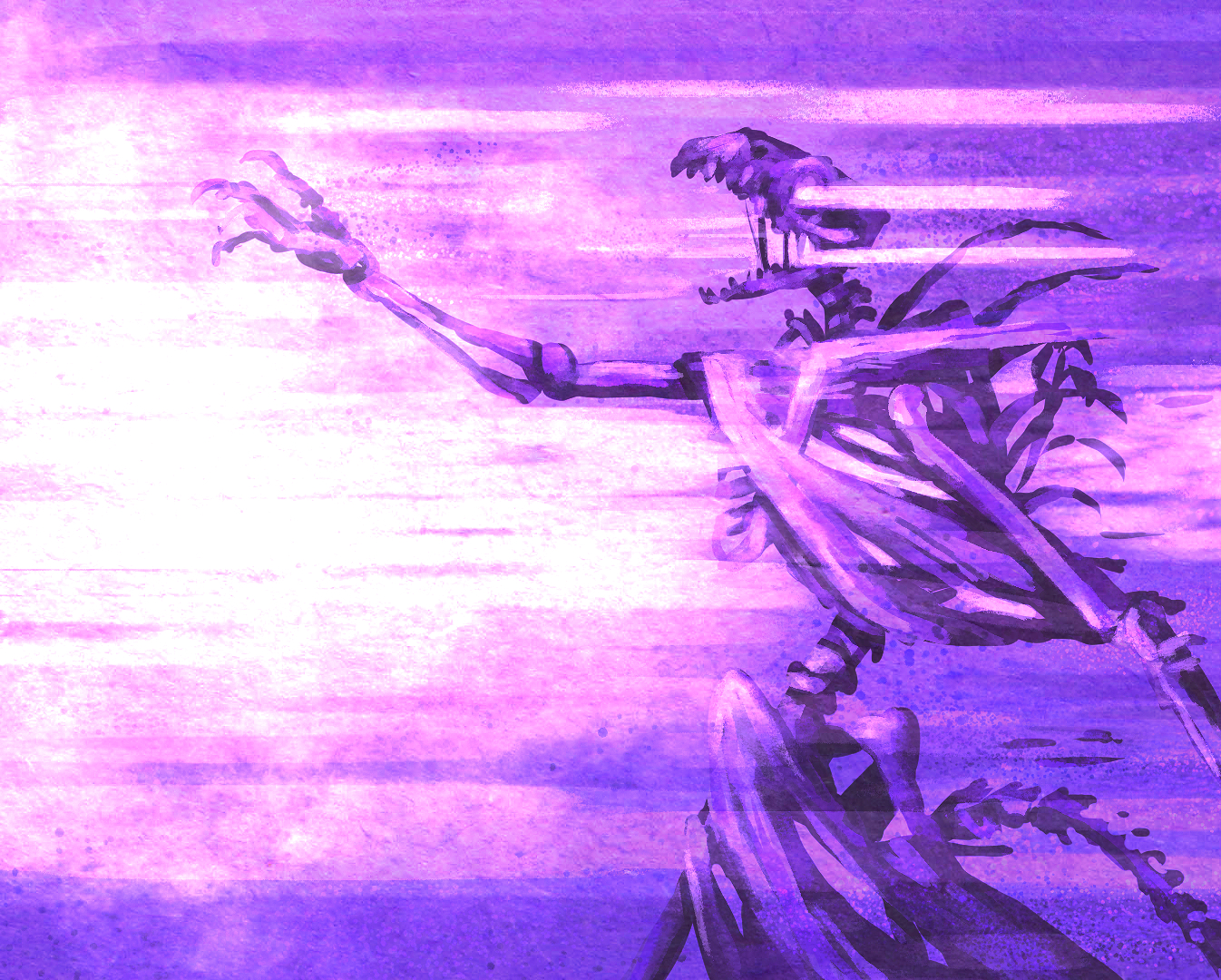
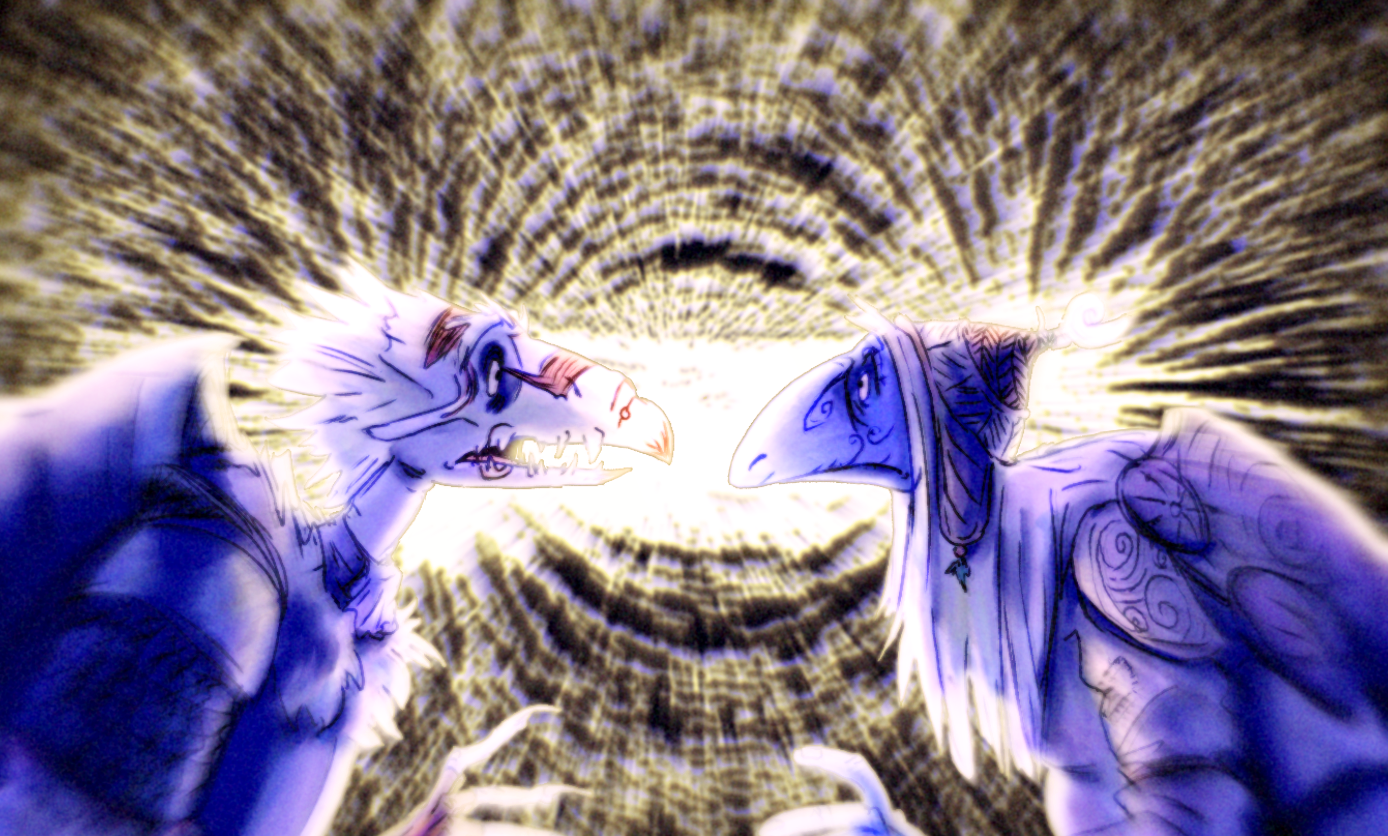
SkekGra sees the destruction of Thra in a prophetic vision. This is his fate if he continues on his destructive path.
Watch the teaser Animatic
Music & Style
Musically, the main influence on this story comes from traditional Mongolian vocals and instrumentation. Throat singing, or kargyraa, helps set the mood and tone of the story. It’s ancient, powerful, and evocative in a way that can fit with mystic magic or skeksis combat. Today, the HU has brought this music to a global audience, combining kargyraa with western metal.
In the world of the story, music and magic are synonymous. The character's real voices connect them to the spiritual world of Thra itself. The act of throat singing—simultaneously splitting one's voice into two harmonizing tones—is a physical manifestation of the duality between the skeksis and the mystics.
From the beginning, puppetry has been used in animation to breathe life into characters that would otherwise be too time consuming to draw by hand. Lotte Reiniger’s The Adventures of Prince Achmed, the earliest surviving animated feature film, uses shadow puppetry to achieve an amazing effect that holds up to this day. Using the latest 2D rigging tools, the characters of the Dark Crystal can be brought into the world of animation as well in a way that honors the tradition of puppetry and preserves Brian Froud’s designs.


Visions of Thra Moodboard


The Heroes
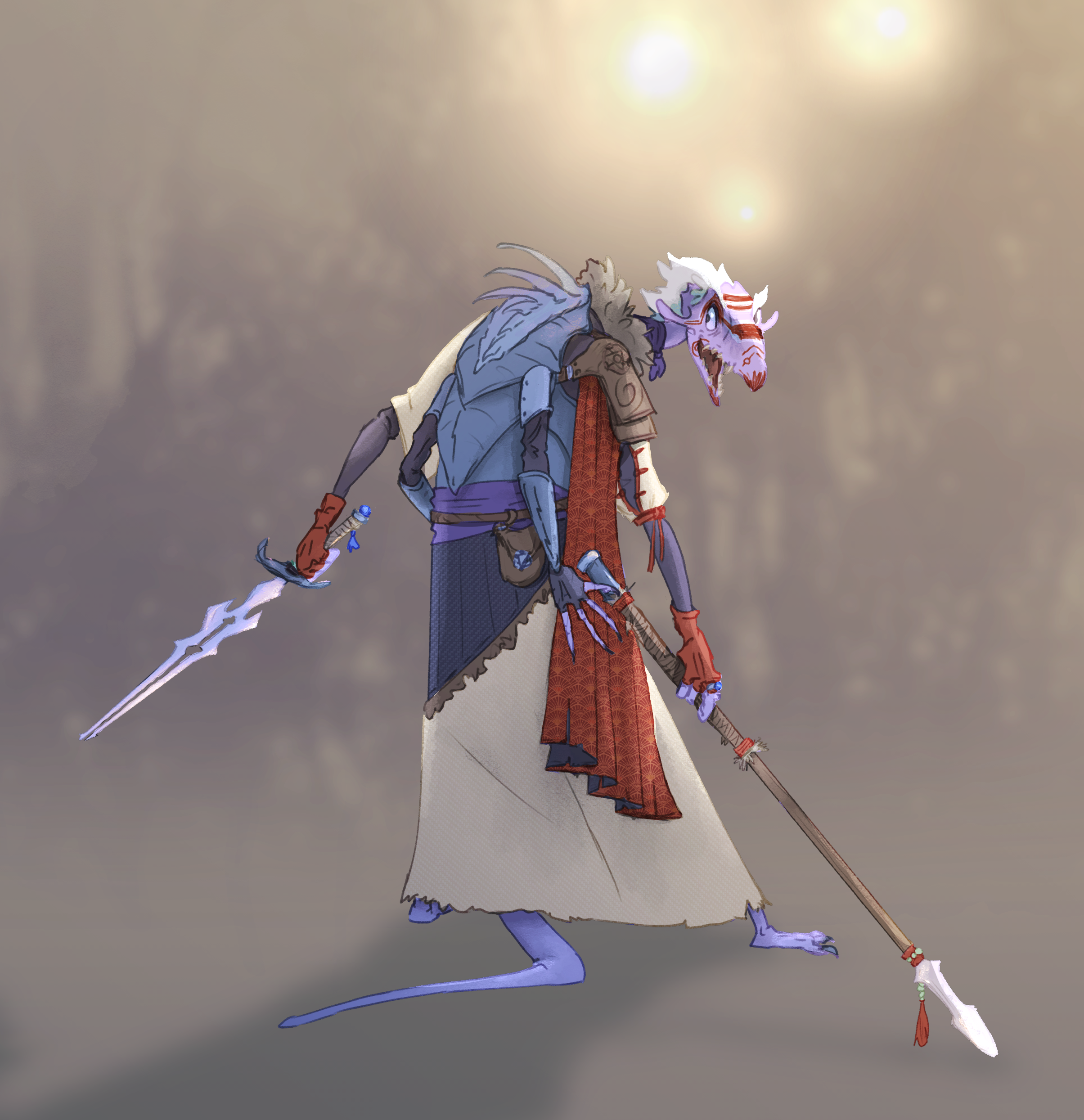
Temperamental, rash, and a bit loony, skekGra is filled with erratic energy that often explodes into recklessness. But despite his fearsome appearance, and many, many flaws, there is still a nugget of goodness in him—a vulnerability that he hides under layers of armor.
Initially, he sets out to climb the social totem pole that is the skeksis ranking system. With enough status and clout, he wouldn’t have to constantly fear retribution from his compatriots. But skekGra is aware that the social hierarchy he’s climbing is a sham and he’s deeply unhappy with his life. His true desire is to break free of the social constrictions on his life to reclaim his agency as an individual, but he is so disgusted by his actions that he fears that he’s beyond redemption.
The skeksis were created as half-beings, split in two from their urRu counterparts. All the greed, anger, and ambitions were contained within the skeksis and the urRu received all the morality, wisdom, and regret from their UrSkek forebearers…At least, that’s what skekGra thinks.
From the moment skekGra came into being, he was rejected by the other half of his soul, urGoh. This profound self-loathing is what motivates skekGra’s violent conquests and his neurotic yearning for status and social acceptance. He will do anything to make sure he is never rejected again.
When he joins forces with urGoh, he must face the things within himself that he is most ashamed of. Through his efforts to heal the damage he’s wrought, he learns to accept his flaws (of which there are many) and take a new pride in his virtues (which do exist, to his surprise). In the end, he gives up all his power and status among the skeksis and leaves their corrupt social order behind.
SkekGra, the HERETIC
UrGoh, the WANDERER
At first glance, he may seem detached and level-headed but urGoh’s calm demeanor belies an extremely stubborn and persistent attitude. Once he has made up his mind about something, it is nearly impossible to convince him to waver. His strong convictions often butt up against the many rules and doctrines of mystic society.
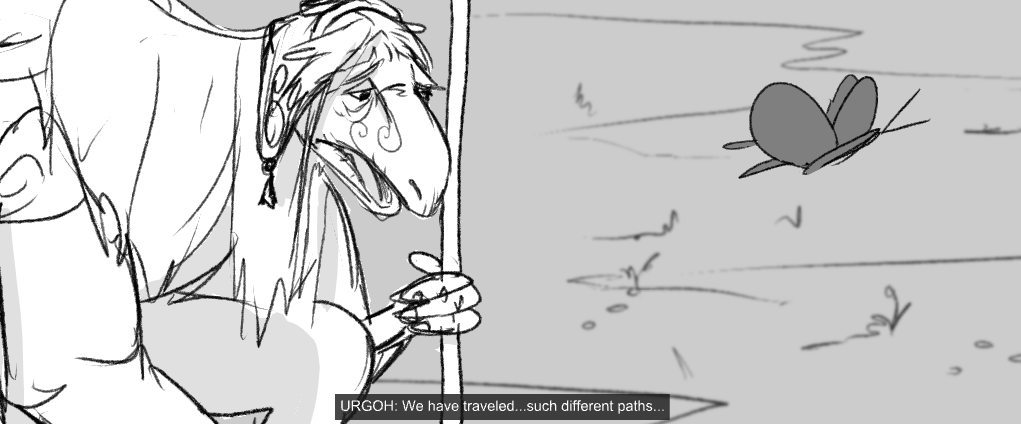
It is his free-spirted and headstrong nature that initially sets him on the path towards reunification with skekGra, his dark half. It is the accepted belief of his people that the skeksis are irredeemable and serve as a constant reminder to the mystics of the evil that they inflicted on Thra. UrGoh breaks from all the urRu traditions by taking it upon himself to reeducate skekGra and prove that reconciliation is possible.
However, urGoh finds skekGra completely repulsive and is extremely judgmental about his many shortcomings. Fundamentally, urGoh sees skekGra as morally inferior but hopes that skekGra can at least learn to follow his example of decency and become more like a mystic. As their relationship strengthens, this assumption is tested repeatedly and urGoh begins to respect and love his other half.
Moreover, he also begins to see that his way of life is not the perfect model of harmony he had been preaching to skekGra. In his effort to deprogram skekGra from the cultlike thinking of the skeksis empire, he had been blind to the cult of urRu dogma. Rather than exchanging one set of social constraints for another, urGoh realizes that he and skekGra both need to free themselves from the confines of their societies.
It is only when he values and accepts the other half of his soul in skekGra that urGoh truly understands that their unity is a gift rather than an obstacle.

Tanet, of the Spriton Clan
Serving as captain of the castle guard, Tanet is ambitious and a hard worker. But because she is from a lowly farming clan, the other gelfling do not respect her leadership. She is bitter rivals with Falia, whose nobility has fast tracked her through the ranks of the castle guard.
Tanet wants to prove her skill in battle and is absolutely loyal to skekGra. She discovers his and urGoh’s mission to restore the Crystal of Truth and helps them, despite not fully understanding the importance of the quest. She learns to work with gelfling of all clans, uniting them into a small resistance cell alongside her former rival.
Her growing relationship with Falia mirrors skekGra and urGoh's relationship.
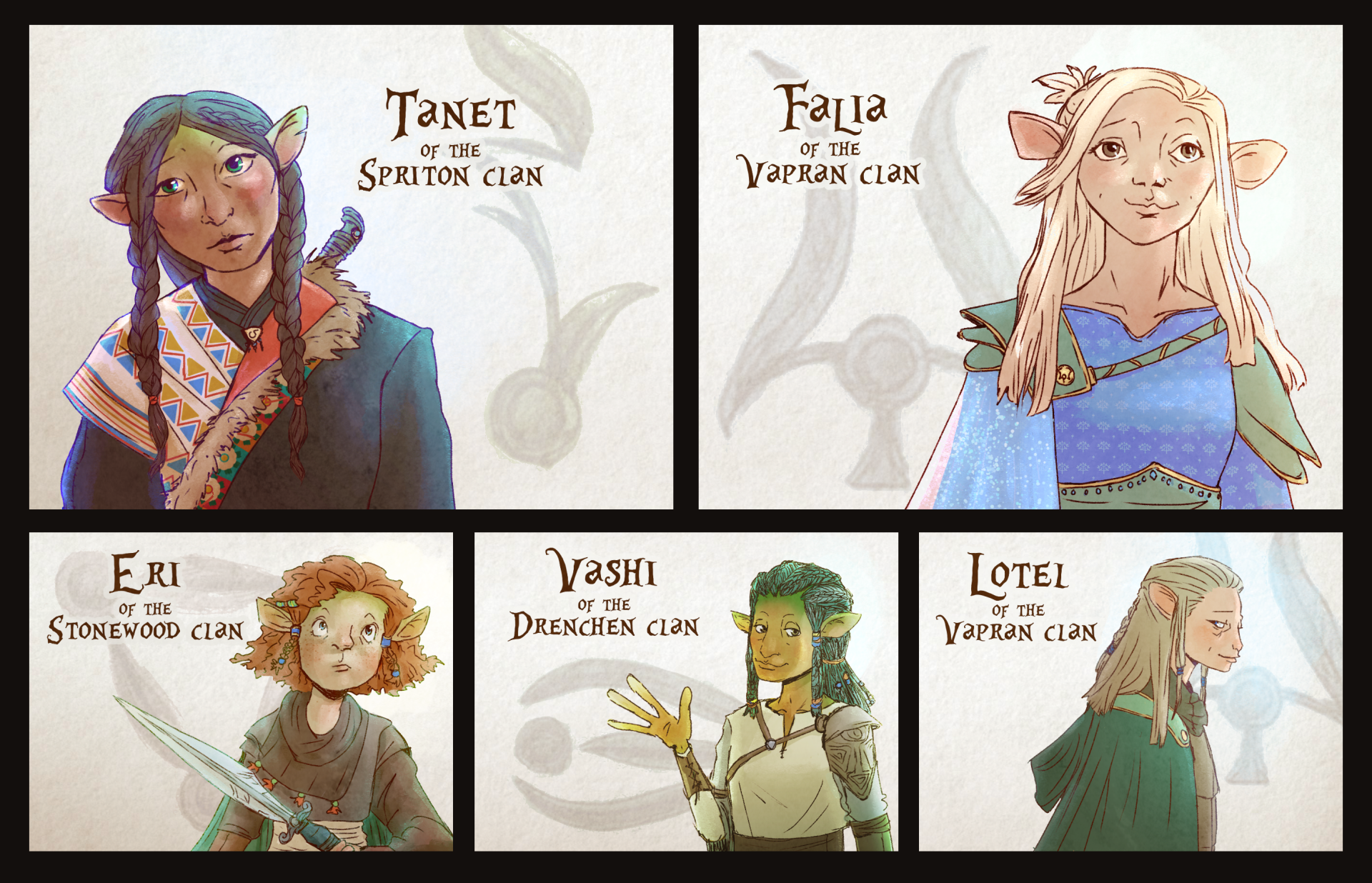
Falia, of the Vapran Clan
While she tries her best, the truth is that Falia is not a very good soldier. She hates to be a disappointment to her father, but when Tanet is promoted instead of her, Falia takes the chance to shift gears and begins honing her musical ability.
She is a skilled musician and her compassion for her friends keeps the gelfling united even during arguments. She sees through the skeksis’ attempts to sew division among the gelfling clans and is eager to work with Tanet and make amends.

Other Gelfling
Having proudly served the skeksis as captain until he lost his arm, Lotel had been hoping that his daughter, Falia, would take up his mantle. He does his best to support her even when she struggles, but his love for his daughter blinds him to the fact that Tanet is a more qualified soldier.
Eri and Vashi are close friends to both Tanet and Falia. Vashi, being fair and introspective, has the most balanced view of their rivalry and he tries not to take sides. But he has no filter and often says what he thinks even if it’s taboo.
Eri, despite coming from a warrior clan, is the most intellectual of the group. Unlike most gelfling, she can read and speak many languages. She uses these communication skills to bring the insights of podlings and gruenak to the attention of the gelfling.
The Mystics
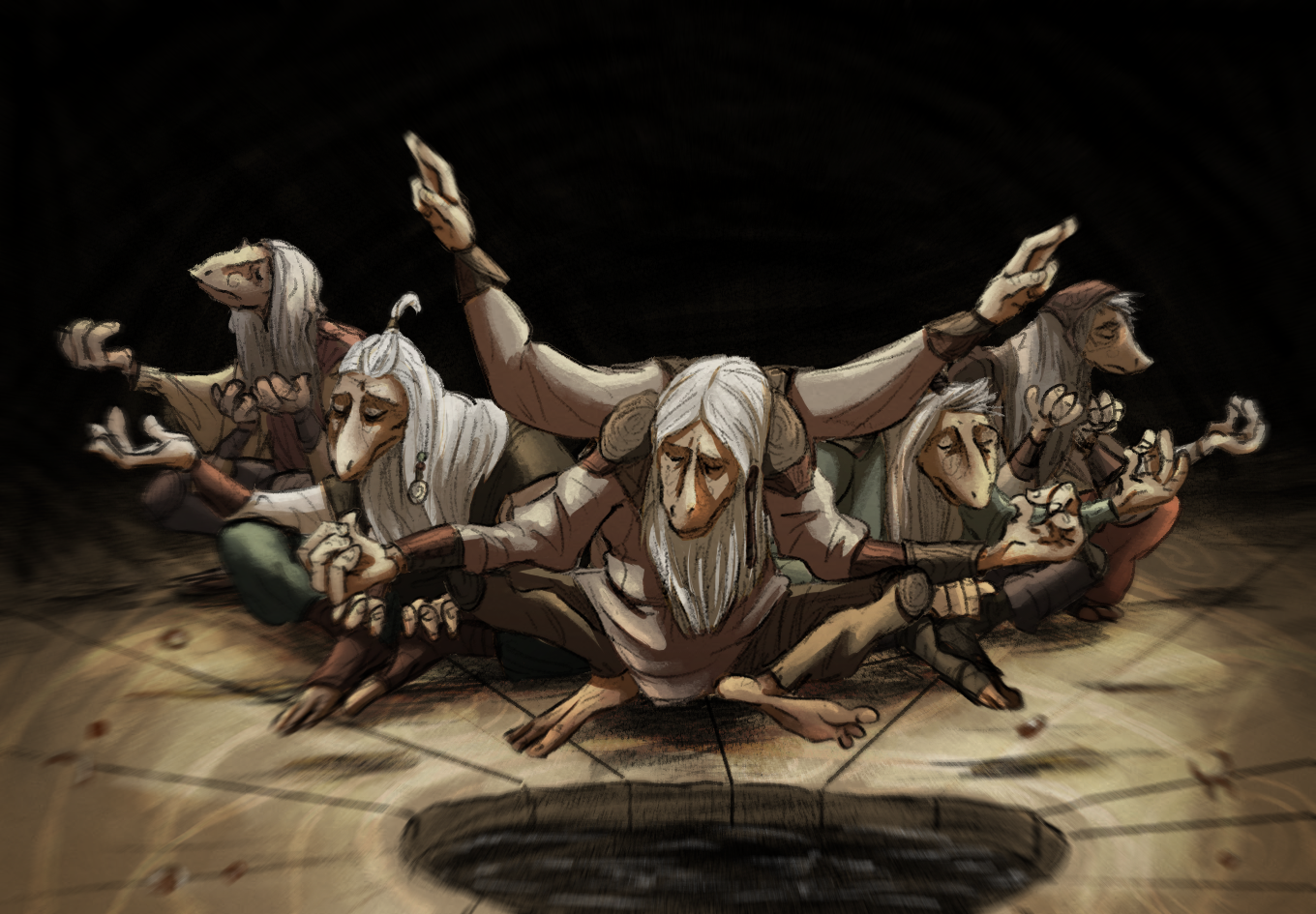
Living peaceful and isolated lives in the secrecy of their valley, the mystics are outwardly opposite of everything associated with the skeksis. They are gentle, thoughtful, and wise but they have become almost completely detached from the rest of the world. They reject any idea of intervention in outside affairs.
Master urSu sees himself as being responsible for all the evil of the skeksis, particularly his counterpart, the Emperor. But he is immobilized by his regret and the weight of his judgement prevents the other urRu from taking any action…All except for urGoh.
The urRu believe that their unnatural presence on Thra is inherently harmful and seek to contain their influence. To this end, they have invented countless rules and rituals that they must follow. Each of them keeps a watchful eye towards their fellows to make sure these rules are meticulously followed. This means that the mystics are always under scrutiny and their every move is judged by their peers. The shame they feel when they fail to conform paralyzes them from taking action. The mystics would rather do nothing wrong than make even a single mistake trying to do good.
UrVa, the Archer, sees himself as a failure of a mystic. He regrets his involvement with his dark half more than anything and thinks that he’s become unclean and tainted by his skeksis. This is why he lives apart from the other urRu. He is cursed to be constantly following in the Hunter’s wake but never able to stop him. UrVa’s shame and disdain towards himself and his other half is what awaits urGoh if he and skekGra cannot reconcile.
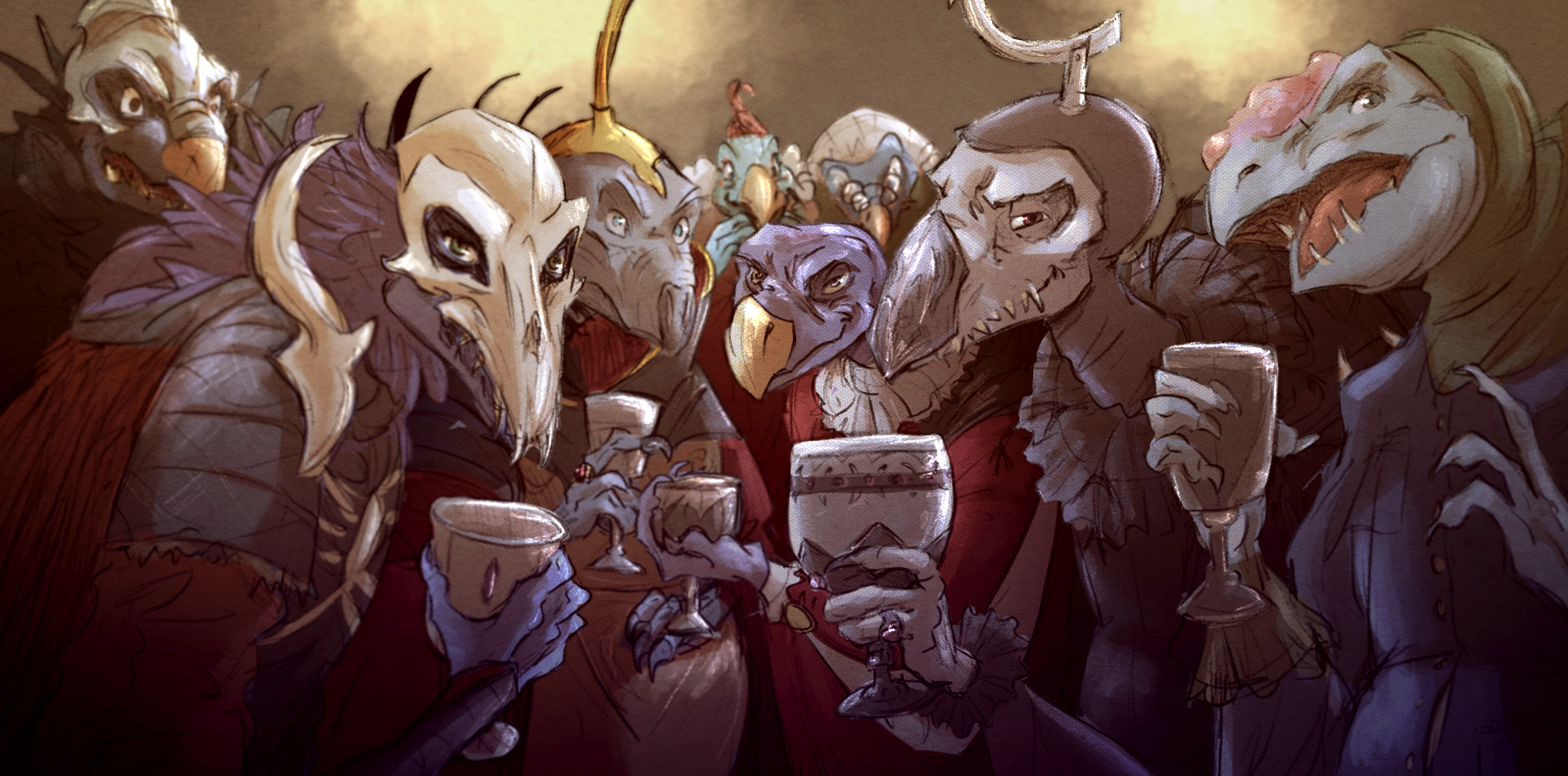
The Skeksis
Their brutality and ruthlessness is only matched by their vanity and selfishness. While their greed is legendary, what truly governs the skeksis is their psychotic obsession with proving (to themselves) that they are superior. To mask their disgusting behavior, they cloak themselves in ornate clothing and surround themselves with every imaginable luxury. But no amount of lace or perfume can hide that their lives are empty and miserable.
Emperor skekSo, their leader, has carefully constructed a rule of order that they all must follow or else face humiliating punishments. The Emperor knows that each skeksis will do everything in their power to avoid facing their own inadequacies or weaknesses. He precisely doles out rewards and punishments to give his court just enough status to always be needing more. He deliberately sets them up to be constantly at odds with each other. If they are at each other’s throats, they will never rise against him.
A counterpoint to skekGra’s journey towards self-acceptance is found within his rival, the Hunter. Like skekGra, the Hunter is aware that the skeksis ranking system is just an illusion. To insulate himself from the constant power games, he stays away from the castle as much as possible. SkekMal sees himself as a noble hunter, but it’s been hundreds of trine since he took on a target that could really challenge him. He picks off creatures and people with excessive force and brutality.
The only being who would prove a challenge to him is the one he won’t confront—his counterpart, the Archer. That is skekMal’s darkest secret—that he is constantly on the run, fleeing like an animal, so the Archer never catches him. Wherever he goes, urVa is on his heels with an arrow always aimed at his back.
Hundreds of trine ago, skekMal and urVa had received a vision from Thra just as urGoh and skekGra eventually do. But their attempt at reconciliation failed and they parted ways as even more bitter enemies than before. The Hunter embodies skekGra’s fate if his quest fails.
The Antagonists
The World
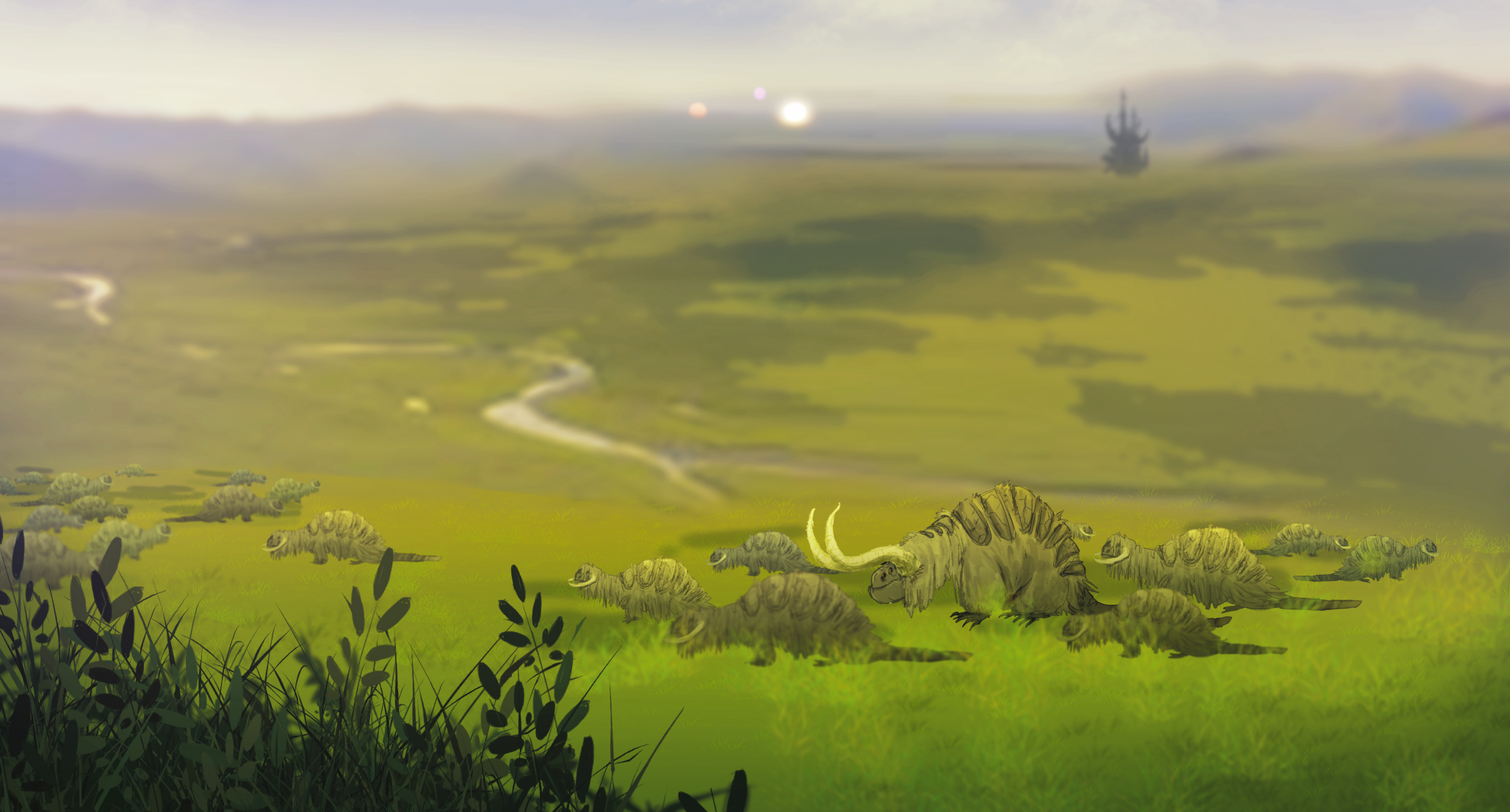

Having received their sacred vision, the heroes must journey into the wilderness in search of the missing Shard of the Dark Crystal. Their search brings them across the untamed lands of Thra—through jungles, mountains, valleys, and deserts. And the world of Thra is alive—every creature, plant, and rock is connected—all spiritually part of the one superorganism that is the planet they all live on.
As the heroes come to accept that they are all One, their power grows not just metaphorically—but magically. The closer they get to each other and, therefore, to Thra itself—the more they are able to use magic to advance on their quest.
But if unity grants them power, then division makes them weak. The resentment that skekGra and urGoh feel towards one another, the jealousy that Tanet harbors towards the other gelfling clans, and the skeksis’ obsession with hierarchical status are all obstacles the characters must overcome to reach their goals and to save the world from withering away—poisoned by division.
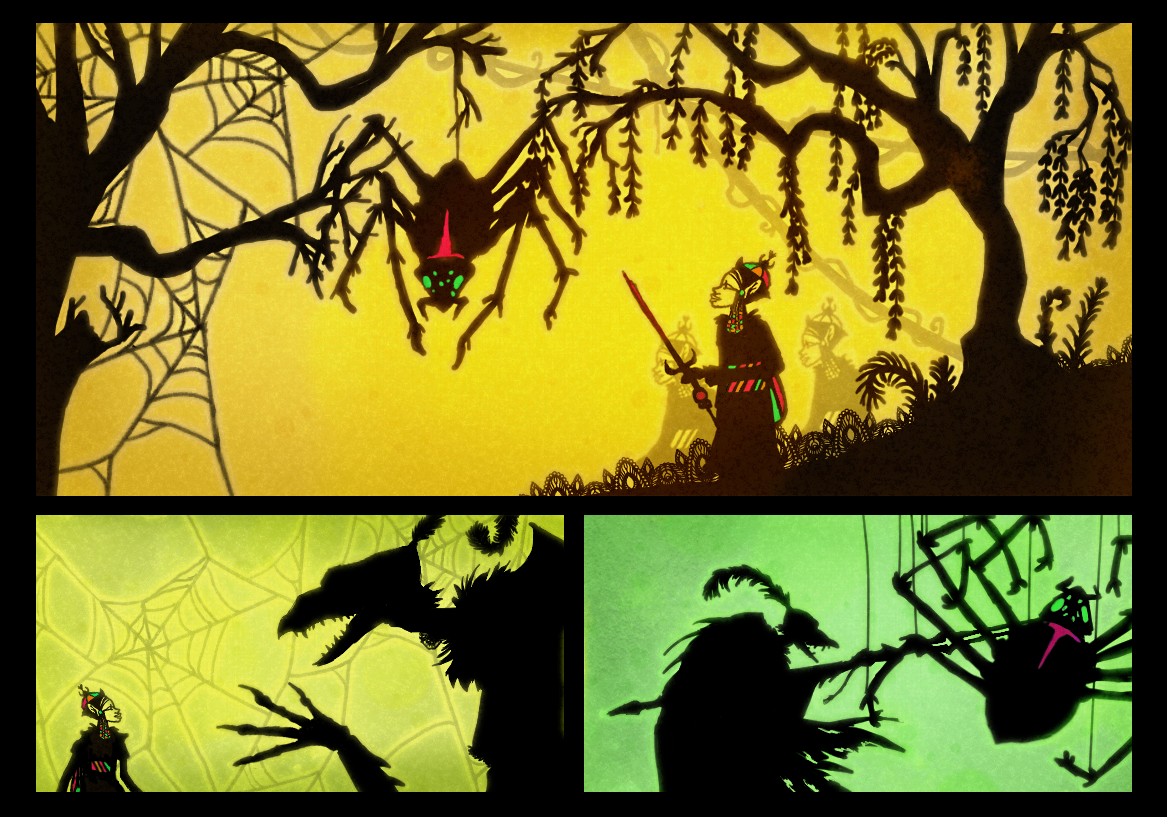
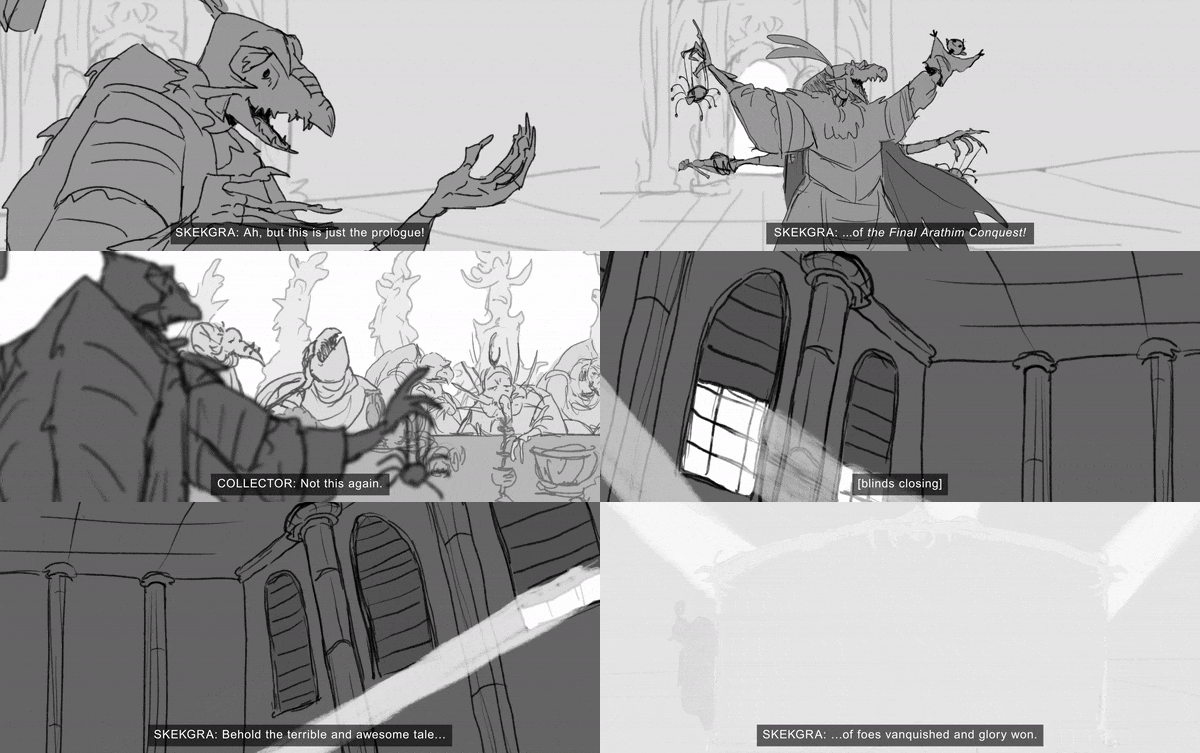
Returning from battle, skekGra puts on a shadow puppet show for an audience of unamused skeksis.
EPISODE 1: Unbalanced Scales
The skeksis overlords punish skekGra, branding him a heretic. They permanently disfigure and imprison him. The story flashes back to skekGra's past as the victorious Conqueror...many trine ago.
In a bid to raise his status in court, skekGra leads an army of gelfling soldiers on a mission to eradicate the last of the gruenak rebels. His two lead soldiers, Tanet and Falia, also contend with their caste differences—each wanting to secure the title of captain.
Their mission leads them to confront urGoh—a mystic—who puts aside his people's philosophy of non-intervention to save the rebels. He uses secret magic to see through skekGra's eyes and sabotage his mission.
Confronting each other for the first time since their souls were divided, they receive a prophetic vision of the the world's destruction. UrGoh sees himself cast out of his home and shunned by the mystics and skekGra sees himself reduced to a soulless husk, but wearing the decorations of his status.
Horrified and disgusted, they turn away from each other and run.
Scenes & Samples
Gallery


The Audience
This group is pressed like a panini between two competing demands: the pressure to conform and to perform under the microscope of social media, vs. the expectation to be relentlessly authentic, self-expressive, and vulnerable. In this way, “Being Online” can be a lot like being in a cult. You know them, you’ve read about them, and you might be one of them: the infamous Zillenial and Gen Z viewer.
They respond strongly to high-concept stories that tackle heavy themes like social pressure, identity, and belonging. Emphasis on high-concept. Translating real-world pressures into a fantastical setting adds a layer of much-needed abstraction. These shows are entertainment first, not therapy—watching an outcast character navigate their place in a complicated world is way more fun when the world has magic and monsters in it.
Stylized animation enhances that abstraction while clearly differentiating this category from children’s animation. Concepts that would be too heavy in live action—or even in realistic animation—can become more approachable through bold, stylized artwork. The complex plots and character arcs in this format reward young adult viewers as well as any lover of animation.
But what ultimately wins this audience over is tone. Balancing fear and anger with moments of hope, warmth, and humor lets light shine even brighter against a dark and uncertain world.
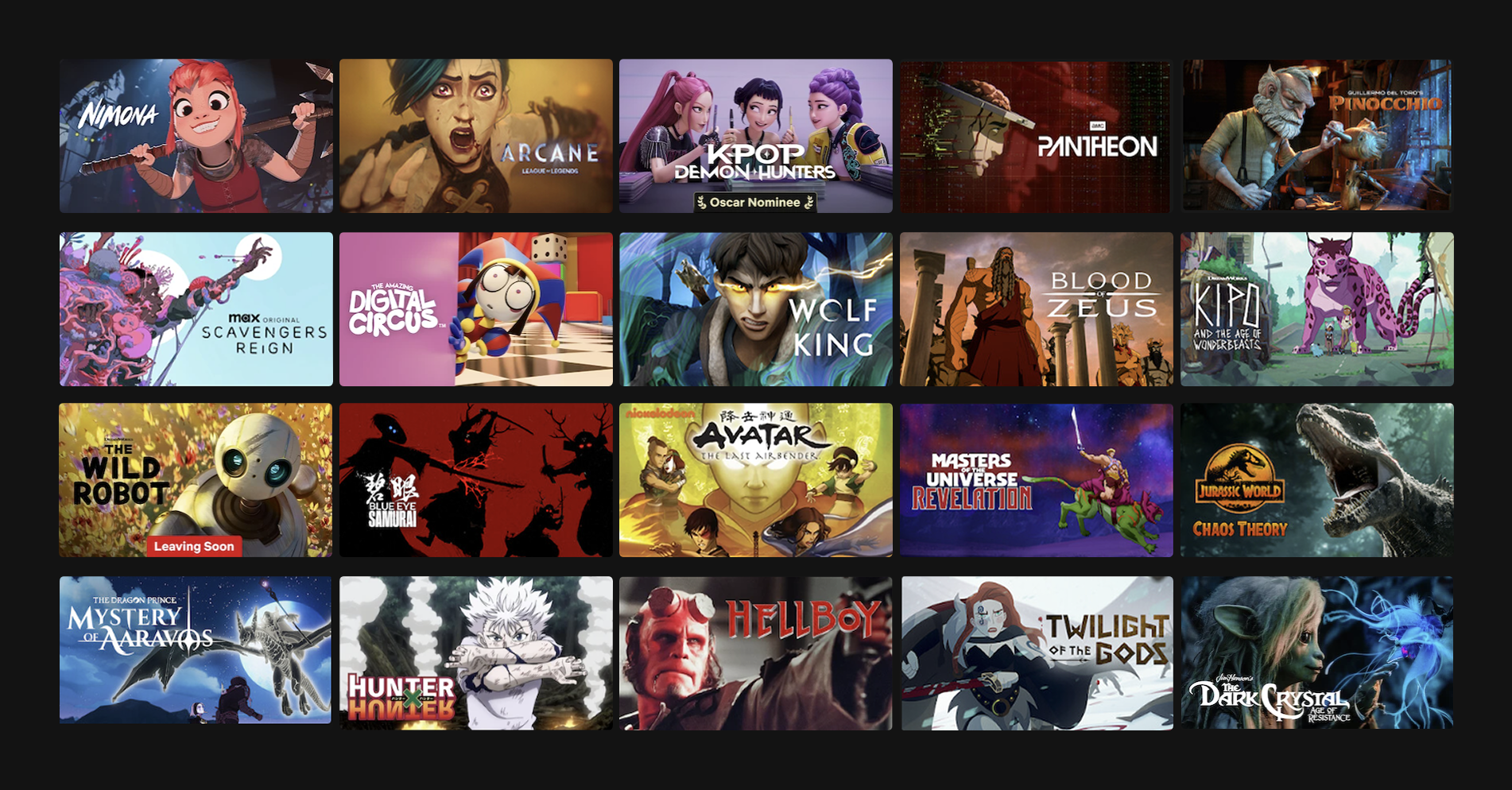
Want to see more?
If you want more information, would like to read the pilot, or to see the full pitch, please send me a message! And if you’ve read this far, thank you for your time and please let me know what you think! And...especially if your last name is Henson…call me.
Sincerely,
Olivia Mercurio